
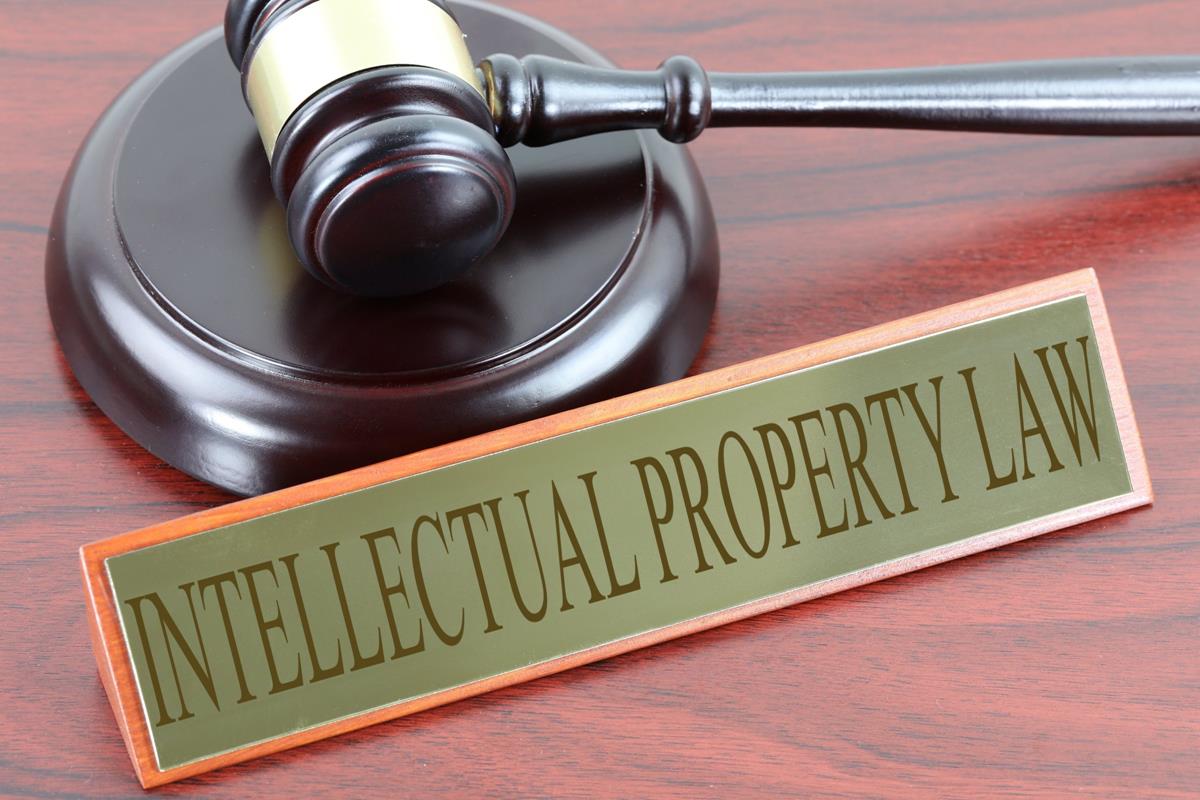
In the modern world, the most valuable assets a business or individual can possess are often not physical but intellectual. These assets—the brand name, the innovative product, the original work of art, or the secret formula—are the lifeblood of our economy, and they are protected by a powerful body of law known as intellectual property (IP). For creators, entrepreneurs, and artists, understanding how to protect your intellectual property is not just a legal formality; it’s a fundamental component of building a sustainable business and a lasting legacy. In an era where a single idea can be copied and distributed globally with the click of a button, a proactive approach to IP protection is more critical than ever. This extensive guide is designed to demystify the essential principles of intellectual property, providing a comprehensive roadmap for how to secure and defend your most valuable creations. We will delve into the critical areas you must master, from the nuances of copyrights and trademarks to the strategic use of patents and trade secrets. This is not just a list of tips; it is a strategic guide to building a legally resilient foundation for your innovation.
The Types of IP
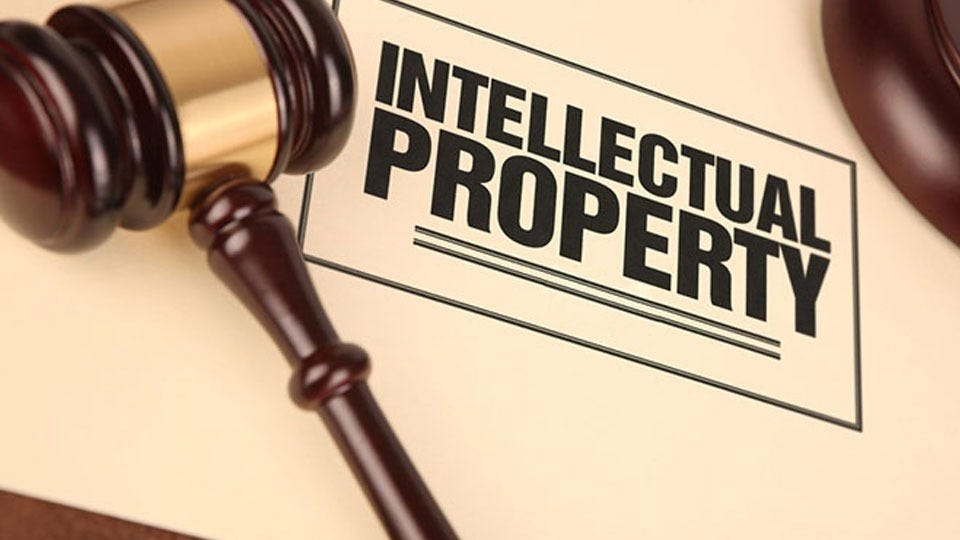
Intellectual property is a broad legal term that encompasses a variety of different types of assets. Each one is designed to protect a different kind of creation, and understanding the distinction between them is the first and most critical step in building a sound protection strategy.
A. Trademarks
A trademark protects your brand identity. This includes your business name, logo, slogan, and any other unique identifiers that distinguish your products or services from those of your competitors. A trademark is a powerful tool for building a recognizable brand and preventing others from using a similar name or logo that could confuse consumers.
- Why it matters: A strong trademark prevents your competitors from using your brand’s reputation to their advantage and ensures that your customers can easily identify your products.
- How to protect it: You can protect a trademark by simply using it in commerce (common law trademark), but registering it with a national government office provides a stronger legal basis for enforcement.
B. Copyrights
Copyright protects original works of authorship, such as written content, software code, music, photographs, and art. Copyright protection is automatic the moment a work is created and fixed in a tangible form. It grants the creator the exclusive right to reproduce, distribute, and display their work.
- Why it matters: Copyright is the legal foundation of the creative economy. It ensures that creators are compensated for their work and that they have control over how their creations are used.
- How to protect it: While copyright is automatic, registering your work with a national copyright office (e.g., the U.S. Copyright Office) provides a public record of your ownership and a stronger legal basis for enforcement in a court of law.
C. Patents
A patent protects an invention, giving the inventor the exclusive right to make, use, and sell their invention for a specific period (typically 20 years from the date of filing). Patents are reserved for unique, non-obvious, and useful inventions, such as a new type of machine, a manufacturing process, or a pharmaceutical drug.
- Why it matters: A patent is a powerful tool for a business built on innovation. It provides a legal monopoly on an invention, giving the company a significant competitive advantage.
- How to protect it: The process of obtaining a patent is complex, time-consuming, and expensive. It requires a detailed application that is reviewed by a patent office. The assistance of a qualified patent attorney is essential.
D. Trade Secrets
A trade secret is a formula, practice, process, design, instrument, pattern, or compilation of information that is not generally known or reasonably ascertainable by others. The key to a trade secret is that it provides a business with an economic advantage. The most famous example of a trade secret is the formula for Coca-Cola.
- Why it matters: A trade secret is a powerful tool for a business that wants to protect a confidential piece of information from its competitors without going through the public process of obtaining a patent.
- How to protect it: A trade secret is protected by a company’s internal policies and procedures, such as a Non-Disclosure Agreement (NDA) and a commitment to maintaining confidentiality. Unlike a patent, a trade secret has no expiration date.
The Digital Landscape
The internet has created a new set of legal challenges for IP protection. In a world where content can be copied and distributed with a single click, a proactive and informed approach is your best defense.
- A. The DMCA and Takedown Notices:The Digital Millennium Copyright Act (DMCA) provides a legal framework for a copyright owner to request that an online service provider remove infringing content. A DMCA takedown notice is a powerful tool for enforcing your rights when another website or social media account is using your copyrighted material without permission. Most major platforms, like YouTube, Facebook, and Instagram, have a clear process for filing a DMCA notice.
- B. Social Media and User Agreements:When you upload content to a social media platform, you are typically granting that platform a broad license to use and distribute your work. However, you do not lose your copyright. The problem arises when other users post your copyrighted material without permission. You should be proactive in monitoring how your work is being used online and be prepared to file a takedown notice if necessary.
- C. The Importance of Licensing:If you are a creator, you can license your work to others for a fee. A license is a legal contract that grants permission for another party to use your work under a specific set of conditions. Licensing is a powerful tool for generating revenue from your creations and for maintaining control over how your work is used.
- D. The Future of IP: AI and NFTs:The rise of AI-generated content is raising complex questions about copyright. Can an AI-generated work be copyrighted? If so, who owns the copyright: the person who programmed the AI, the person who provided the prompt, or the AI itself? And what about the original works that were used to train the AI? These are groundbreaking questions that will reshape the future of intellectual property law. Non-Fungible Tokens (NFTs) also present a new set of legal challenges. While an NFT can represent ownership of a digital work, it does not necessarily grant the buyer the copyright to that work.
The Proactive Strategy
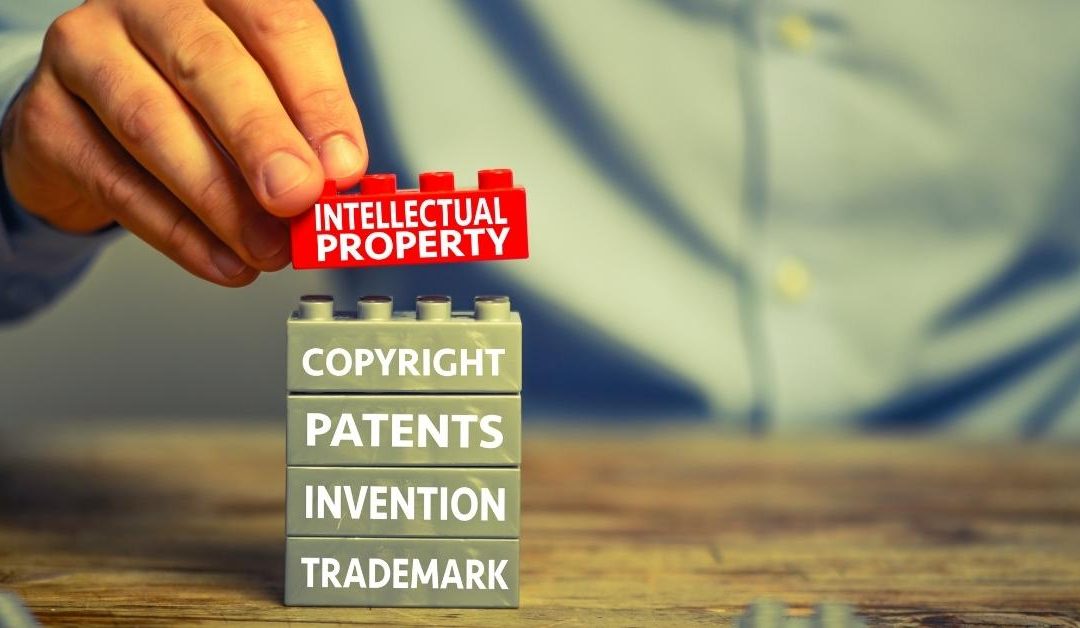
The best defense against IP infringement is a proactive strategy. Waiting for a problem to arise is a recipe for a costly and time-consuming legal battle.
- A. Conduct a Trademark Search:Before you launch your brand, you should conduct a trademark search to ensure that your name and logo are unique. This can be done through a government trademark office or with the help of a legal professional.
- B. Use Strong Contracts and NDAs:A strong legal contract is your most powerful tool for protecting your IP. A Non-Disclosure Agreement (NDA) is a legally binding contract that establishes a confidential relationship and is crucial for protecting trade secrets and other sensitive information.
- C. Document Everything:Documentation is your greatest tool. You should keep a clear and detailed record of when you created your work, who you shared it with, and when you published it. This documentation will be invaluable in case of a legal dispute.
- D. The Role of Professional Legal Counsel:While this guide provides a comprehensive overview, it is not a substitute for professional legal advice. The legal landscape of intellectual property is complex and constantly changing.
- E. A Proactive Approach:Don’t wait until you have a problem to contact a lawyer. A proactive approach to legal matters—from registering your trademark to drafting an NDA—is a sound investment that can prevent costly disputes and protect your business for the long term.
Conclusion
In an economy built on ideas, protecting your intellectual property is a fundamental component of building a sustainable business and a lasting legacy. The journey begins with a clear understanding of the different types of IP—trademarks, copyrights, patents, and trade secrets—and a strategic approach to using them to protect your unique creations. In a digital world where content can be copied and distributed with a single click, a proactive and informed approach to IP protection is more critical than ever. This includes everything from registering your trademark and filing a DMCA takedown notice to using strong contracts and Non-Disclosure Agreements.
The pitfalls of failing to protect your IP are significant. A lack of a registered trademark can lead to a costly legal battle over your brand name. A failure to enforce your copyright can result in a loss of revenue and control over your work. This is a burden that no one should have to bear. For this reason, the decision to educate yourself and to seek professional guidance when needed is one of the most important investments you can make in your own well-being and the long-term health of your business.
Ultimately, intellectual property is a reflection of a society’s commitment to innovation and creativity. By mastering the essential aspects of IP protection, you are not only protecting your own assets; you are also contributing to a digital world that is more just, ethical, and respectful of the work of creators. The time to take control of your creative journey is now, and your future self will thank you for it.