
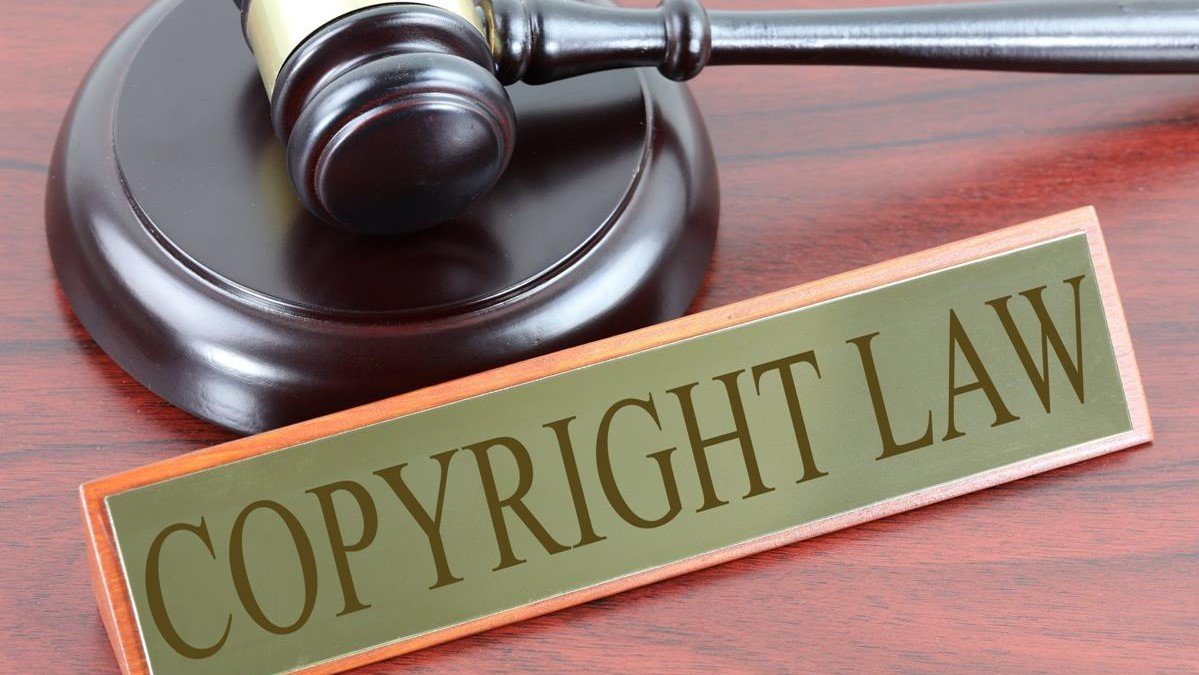
For centuries, copyright has been the legal foundation for protecting the original works of creators, from authors and artists to musicians and inventors. It is a fundamental right that grants a creator the exclusive power to control how their work is used and distributed. However, the advent of the internet has completely rewritten the rules. In a digital world where content can be copied, shared, and altered with a single click, navigating the complexities of copyright has become a formidable challenge for creators and consumers alike. The lines between what is permissible and what is a violation are often blurred, leading to a constant legal and ethical tug-of-war. This extensive guide is designed to demystify the essential principles of copyright in the modern digital era, providing a comprehensive roadmap for how to protect your own creations and respect the rights of others. We will delve into the critical areas you must understand, from the nuances of fair use and the public domain to the emerging challenges posed by new technologies like artificial intelligence.
The Foundations of Copyright Law
Before we dive into the digital complexities, it’s crucial to understand the core principles of copyright. At its essence, copyright is a form of intellectual property law that protects original works of authorship.
- A. What Does Copyright Protect?Copyright protects a wide range of creative works, including:
- Literary works: books, articles, poetry, and software code.
- Musical works: songs, jingles, and compositions.
- Dramatic works: plays and screenplays.
- Pictorial, graphic, and sculptural works: paintings, photographs, illustrations, and sculptures.
- Motion pictures and other audiovisual works: films, TV shows, and video games.
- B. Automatic Protection:In most countries, copyright protection is automatic the moment a work is created and fixed in a tangible form. You do not need to register your work with a government office to have copyright protection, though registration can provide a stronger legal basis for enforcement in case of a dispute.
- C. The Duration of Copyright:Copyright protection is not indefinite. It typically lasts for the life of the author plus a certain number of years (often 70 years) after their death. Once the copyright term expires, the work enters the public domain and can be used by anyone without permission.
Key Concepts in Digital Copyright
The digital world has introduced new complexities that require a nuanced understanding of traditional copyright principles.
A. Fair Use
Fair use is a legal doctrine that allows for the limited use of copyrighted material without the owner’s permission for purposes such as criticism, commentary, news reporting, teaching, scholarship, or research. Determining whether a use is fair is not a simple matter; it is a complex legal analysis based on four key factors:
- Purpose and Character of the Use: Is the use commercial or for non-profit educational purposes?
- Nature of the Copyrighted Work: Is the original work factual or highly creative?
- Amount and Substantiality of the Portion Used: How much of the original work was used, and was it the “heart” of the work?
- Effect of the Use on the Market: Does the use harm the market for the original work?The fair use doctrine is an essential but often misunderstood part of copyright law.
B. The Public Domain
A work enters the public domain when its copyright expires, the creator fails to renew the copyright, or it was never subject to copyright protection in the first place. Once a work is in the public domain, it can be used, copied, and distributed by anyone without permission or payment. This is a critical concept for creators who want to build upon the works of others, as it is a rich source of creative material.
C. Creative Commons Licensing
Creative Commons is a non-profit organization that provides a suite of licenses that allow creators to share their work with the public while retaining some control over how it is used. It is a flexible alternative to a standard copyright and is widely used on the internet. A Creative Commons license allows a creator to grant permission for their work to be used for non-commercial purposes or to require attribution, among other conditions.
Common Copyright Issues in the Digital World
The digital age has created new and pervasive forms of copyright infringement that are a constant challenge for creators and a legal minefield for consumers.
- A. Illegal File Sharing and Streaming:The unauthorized distribution of copyrighted material, from music and movies to software and e-books, is one of the most common forms of copyright infringement. Peer-to-peer file sharing and illegal streaming websites are a direct violation of copyright law and can lead to severe penalties.
- B. Social Media and User-Generated Content:Social media has made it incredibly easy to share content, but it has also created a host of copyright issues. When you upload content to a social media platform, you are typically granting that platform a broad license to use and distribute your work. However, you do not lose your copyright. The problem arises when users post copyrighted material without permission, such as a copyrighted song in a TikTok video or a photo they found online.
- C. The Problem of Piracy and Digital Theft:The digital nature of content makes it incredibly easy to copy and distribute. This has led to a global problem with piracy and digital theft, where creative works are stolen and distributed illegally, costing creators billions of dollars in lost revenue.
A Guide for Creators
For content creators, a proactive approach to copyright is the best way to protect your work and your livelihood.
- Register Your Work: While copyright is automatic, registering your work with a national copyright office (e.g., the U.S. Copyright Office) provides a public record of your ownership and a stronger legal basis for enforcement in a court of law.
- Use Watermarks and Metadata: For visual works like photos and videos, a watermark can serve as a visual deterrent to unauthorized use. Embedding copyright information in a file’s metadata can also provide a clear record of your ownership.
- Utilize Copyright Notices: A simple copyright notice, such as © [Your Name] [Year], can serve as a clear reminder that your work is protected and can deter casual infringement.
- Send a DMCA Takedown Notice: The Digital Millennium Copyright Act (DMCA) provides a legal framework for a copyright owner to request that an online service provider remove infringing content. A DMCA takedown notice is a powerful tool for enforcing your rights.
A Guide for Consumers
In the digital world, every person is a consumer of content. A mindful approach to copyright is an essential part of being a responsible digital citizen.
- A. The Power of Licensing:If you want to use a copyrighted work, you should always seek a license or permission from the copyright owner. There are many platforms that make this process easy, from stock photo websites to music licensing services.
- B. The Importance of Attribution:If a work is subject to a Creative Commons license or if you have permission to use it, you should always provide proper attribution to the original creator. This is a simple act of respect that gives credit where credit is due.
- C. A Zero-Tolerance Policy for Piracy:Do not download, stream, or distribute copyrighted material without permission. This includes music, movies, software, and e-books. The availability of legal and affordable streaming services and digital marketplaces has made piracy a choice, not a necessity.
The Future of Copyright
The digital landscape is constantly evolving, and new technologies are posing new challenges for copyright law.
- A. AI-Generated Content:The rise of artificial intelligence that can create art, music, and written content is raising complex questions about copyright. Who owns the copyright for a work created by an AI? Is it the person who programmed the AI, the person who prompted it, or the AI itself? These are questions that legal scholars are grappling with, and the answers will shape the future of copyright law.
- B. Non-Fungible Tokens (NFTs):NFTs are a type of digital asset that uses blockchain technology to record ownership of a unique digital file. While an NFT can represent ownership of a digital work, it does not necessarily grant the buyer the copyright to that work. This distinction is often misunderstood and can lead to legal disputes.
Conclusion
Navigating copyright in the modern digital age is not an act of chance; it is a deliberate and essential skill for both creators and consumers. The advent of the internet has completely rewritten the rules, transforming a once-rigid legal framework into a dynamic and complex landscape of rights and responsibilities. The journey begins with a fundamental understanding of what copyright protects, the nuances of fair use, and the importance of the public domain. For creators, a proactive approach to protecting your work is no longer optional; it is a necessity. This includes registering your work, using clear copyright notices, and being prepared to enforce your rights.
For consumers, being a responsible digital citizen means respecting the rights of creators and understanding that the ease of copying and sharing content does not negate the legal and ethical obligations to respect the original creator’s work. The tools for compliance, from Creative Commons licensing to legal streaming services, are more accessible than ever before.
Ultimately, the future of copyright is being shaped by the very technologies that have challenged it. As AI, blockchain, and other innovations continue to evolve, the legal landscape will have to adapt. The core principles, however, will remain the same: that a creator deserves to be compensated for their work and that the act of creation is a fundamental human right that deserves to be protected. By embracing these principles, we can all contribute to a digital world that is not only more innovative but also more just, ethical, and respectful of the work of creators. The time to understand and respect copyright is now.