

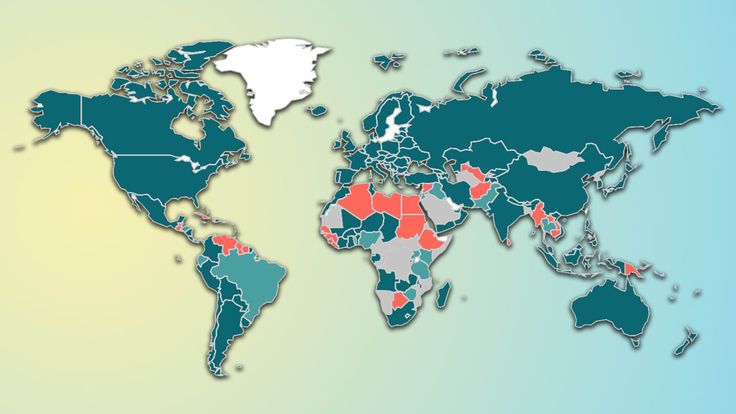
The New Frontier: Navigating the Global Data Protection Overhaul
The digital economy is fundamentally built on data, making it the world’s most valuable, and now, most regulated commodity.
As global citizens spend an increasing amount of their lives online—from financial transactions to health monitoring—the legal landscape governing how this information is collected, processed, and monetized is undergoing a complete overhaul.
The era of self-regulation by tech giants is ending, replaced by strict, punitive, and often conflicting global legislation.
Understanding these shifts is no longer optional; it’s a legal and commercial imperative.
Businesses, especially those operating across borders, must act immediately to achieve compliance, or face unprecedented financial and reputational consequences.
This article provides a deep dive into the most impactful global privacy regulations, their effect on corporate operations, and the high-value compliance solutions that generate significant demand and high-CPC (Cost Per Click) opportunities.
The Regulatory Tsunami: Defining Global Privacy Standards
The movement toward stringent data protection began with landmark legislation and has since created a ripple effect, forcing jurisdictions worldwide to adopt similar, yet unique, standards.
A. The General Data Protection Regulation (GDPR): The Cornerstone
The European Union’s GDPR, enacted in 2018, remains the gold standard for personal data protection globally. Its reach is extraterritorial, meaning it applies to any entity worldwide that processes the data of EU residents.
A. Data Subject Rights (DSRs): GDPR cemented several key rights for individuals, collectively driving significant legal compliance efforts:
1. The Right to Access: Individuals can demand to know what personal data an organization holds about them.
2. The Right to Erasure (Right to be Forgotten): Data subjects can request the deletion of their personal data under certain conditions.
3. The Right to Data Portability: Allows individuals to obtain and reuse their personal data for their own purposes across different services.
4. The Right to Object: Gives individuals the power to stop the processing of their data, particularly for direct marketing.
B. Mandatory Breach Reporting: Companies must report a data breach to the supervisory authority within 72 hours of becoming aware of it, a tight window that demands robust internal systems.
C. Punitive Fines: The penalty structure is severe: up to €20 million or 4% of annual global turnover, whichever is higher. This financial threat is the primary driver of high-value legal and consulting searches.
B. California Consumer Privacy Act (CCPA) and CPRA: The US Standard-Bearer
The CCPA (effective 2020) and its subsequent amendment, the California Privacy Rights Act (CPRA), represent the most comprehensive state-level privacy law in the United States, effectively setting a de facto national standard.
A. The Right to Opt-Out: Consumers gain the right to prevent businesses from selling or sharing their personal information. The CPRA specifically created the “California Privacy Protection Agency” to enforce these laws.
B. Defining “Selling”: The CCPA broadly defines “selling” as not just monetary exchange but also sharing data for other valuable consideration, complicating online advertising and tracking practices.
C. Employee Data Inclusion: The CPRA expanded the scope to include personal information collected from employees and job applicants, dramatically increasing the compliance burden on HR departments.

C. Emerging Global Frameworks: APAC and Latin America
Beyond the US and EU, other major markets are rapidly deploying comprehensive laws, ensuring compliance is a continuous, global effort.
A. Brazil’s Lei Geral de Proteção de Dados (LGPD): Heavily modeled after the GDPR, the LGPD governs the processing of personal data in Brazil, requiring clear consent and setting rules for cross-border data transfers.
B. Asia-Pacific (APAC) Complexity: Countries like Singapore (PDPA), Australia (Privacy Act), and especially China (PIPL) have introduced their own stringent laws. China’s Personal Information Protection Law (PIPL) is particularly strict, limiting data transfers outside the country and demanding local storage for certain datasets.
C. Sector-Specific Legislation (HIPAA, GLBA): Alongside these broad laws, sector-specific regulations like HIPAA (health) and the Gramm-Leach-Bliley Act (finance) continue to evolve, requiring specialized legal and technological expertise.
Corporate Impact: Operational Shifts and Financial Risks
The enforcement of these new laws moves data privacy from being an IT concern to a boardroom imperative. Non-compliance is no longer a minor penalty; it is a significant commercial risk.
D. The Demise of the Third-Party Cookie
The most immediate operational shift is the impending retirement of the third-party cookie by major browser platforms. This change is driven by the regulatory push against pervasive tracking without explicit user consent.
A. Advertising Ecosystem Upheaval: Digital advertisers are forced to pivot from granular, individual targeting to contextual advertising and reliance on first-party data. This pivot creates massive demand for new ad-tech platforms and legal solutions for consent management.
B. First-Party Data Monetization: Companies must now invest heavily in collecting, protecting, and legally monetizing data directly from their customers, making data governance solutions a top-tier expenditure.
E. The Rise of the Chief Privacy Officer (CPO) and Data Protection Officer (DPO)
The legal risk necessitates dedicated, high-level oversight. The DPO (mandatory under GDPR) and the CPO are now crucial executives.
A. Internal Audits and Risk Assessment: These roles are responsible for continuous auditing, performing Data Protection Impact Assessments (DPIAs), and mapping all data flows within the organization—complex, high-value tasks that drive searches for legal consulting.
B. Training and Culture: The DPO must implement mandatory staff training, fostering a culture of privacy awareness. Human error remains a leading cause of data breaches.
F. Litigation and Class Action Risk
Beyond government fines, the regulatory environment has spurred a surge in private class action lawsuits.
A. Statutory Damages: Laws like the CCPA/CPRA allow consumers to sue for statutory damages, even if they cannot prove actual financial harm. This lowers the bar for litigation and makes companies appealing targets for mass lawsuits.
B. Biometric Data Laws (BIPA): Specific state laws, notably Illinois’s Biometric Information Privacy Act (BIPA), have led to multi-million dollar settlements over the collection of fingerprints or face scans, highlighting the need for highly specialized legal defense.
High-CPC Opportunities: Monetizing Compliance Solutions
The complexity and risk associated with these regulatory changes create enormous demand for specialized, high-cost solutions, translating directly into valuable search traffic for digital publishers.
G. In-Demand Compliance Technologies
A. Consent Management Platforms (CMPs): Tools that automate the collection and management of user consent (for cookies, email, etc.) are mandatory across every commercial website, driving high-volume, commercially-focused searches.
B. Data Discovery and Mapping Tools: Software that automatically identifies, categorizes, and maps all personal data held by an organization is essential for fulfilling DSRs and is a key enterprise purchase.
C. AI-Powered Compliance and Auditing: Legal tech firms offering AI to analyze large contracts for privacy clauses or automate the response to DSRs attract high-value business advertisers.

H. The Consulting and Legal Services Boom
A. Specialized Privacy Counsel: Companies urgently seek attorneys with deep expertise in both technology and the specific regulatory bodies (e.g., European Data Protection Board, CCPA). Searches like “GDPR Compliance Lawyer” are highly competitive and carry premium CPCs.
B. Fractional DPO Services: Smaller or non-EU companies often hire external firms to serve as their mandatory Data Protection Officer, creating a niche for high-cost managed services.
C. Cross-Border Data Transfer Consulting: The collapse of previous agreements (like Privacy Shield) and the strict requirements of PIPL mean businesses are paying consultants significant fees to implement complex legal mechanisms (e.g., Standard Contractual Clauses, Binding Corporate Rules).
Conclusion
The global legal pivot toward stringent data protection is not a temporary trend; it is the establishment of a new, permanent regulatory framework. The title, “Digital Privacy Laws Are Changing Now,” captures the urgency and volatility of this environment.
For organizations, embracing compliance as a competitive advantage—not merely a burden—is the path to future growth.
This means investing strategically in legal expertise, robust technology solutions, and organizational training.
For publishers, the high-stakes, specialized nature of this field ensures that content focusing on compliance solutions, legal risk mitigation, and technological tools will continue to command premium advertising rates and drive exceptional AdSense revenue.
The future of the internet is regulated, and only those who adapt swiftly to these new legal mandates will thrive.